
Breaking Through: Senior Housing Development Gains Momentum
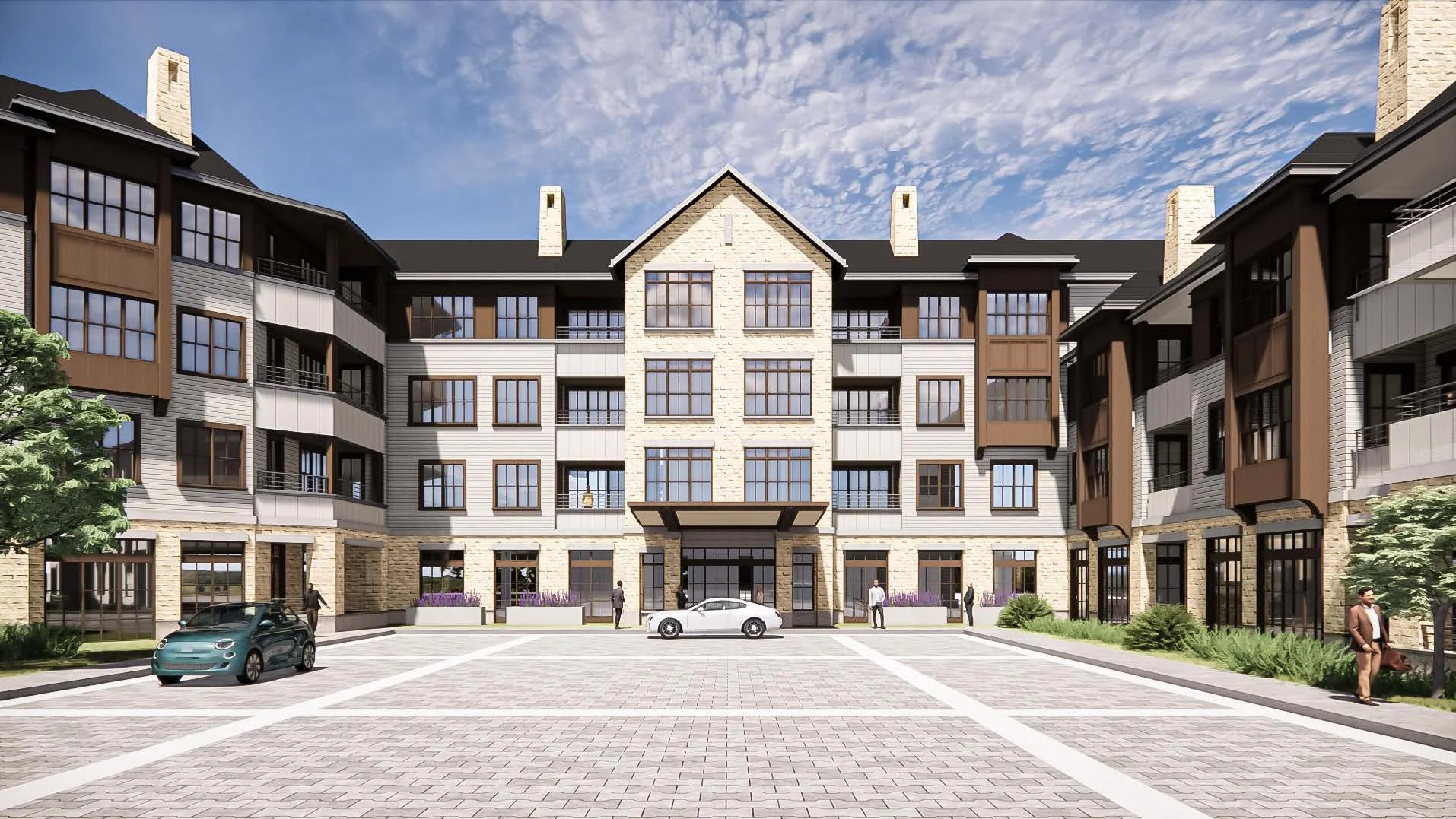
Mozaic Concierge Living, Stamford, CT
Rendering courtesy of Perkins Eastman, Architects
After several years of stalled pipelines and cautious capital markets, the senior housing sector is beginning to move forward again. Across the Northeast and beyond, projects that once sat on the sidelines are now breaking ground as developers respond to rising demand and improving market confidence.
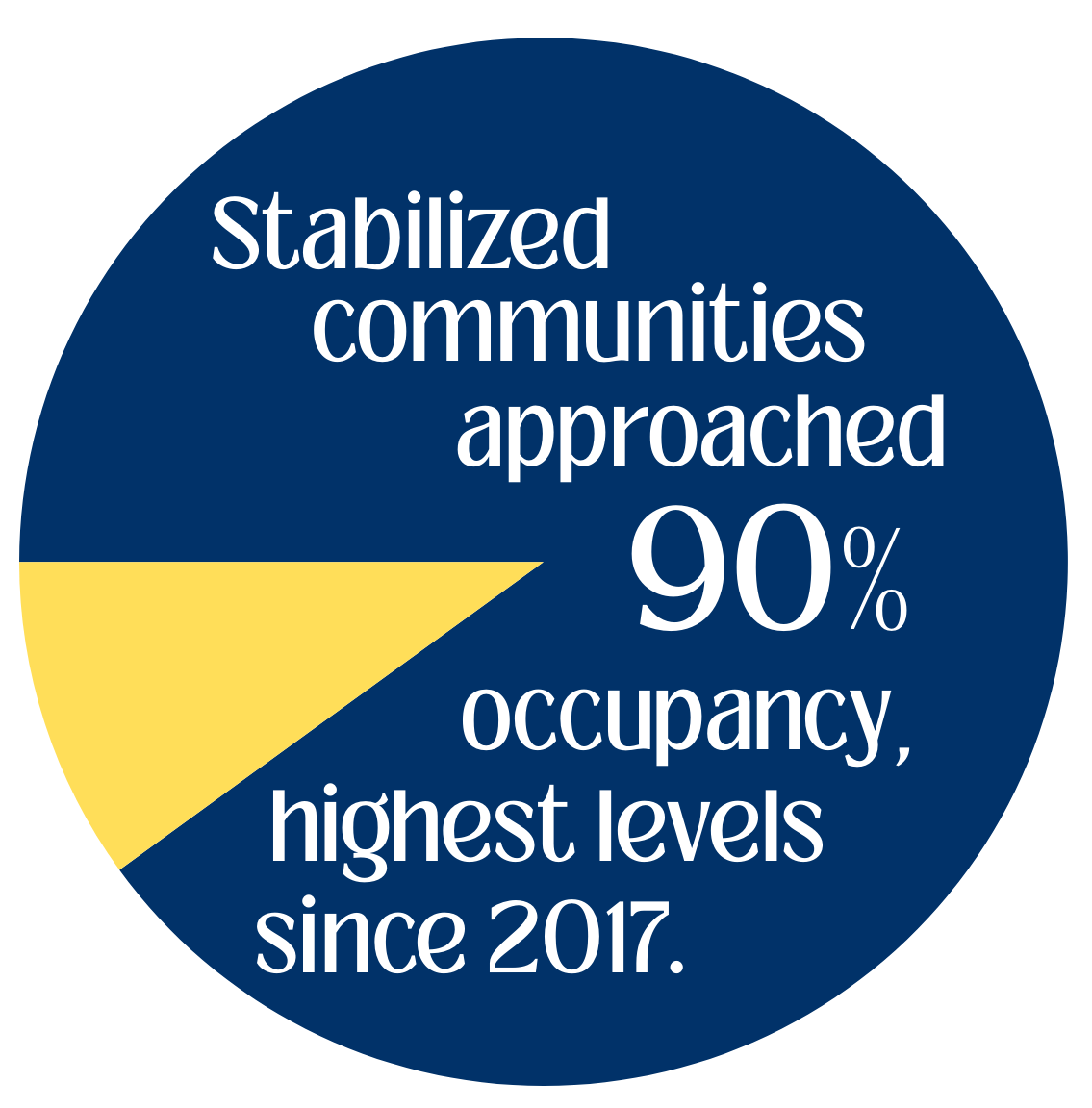
Looking back at 2025, senior housing development was defined by a paradox: strong demand but constrained growth. Occupancy levels continued to climb toward historic highs, with rates across major U.S. markets approaching 90 percent and projections suggesting occupancy could reach 91–92 percent by late 2026. Yet despite these strong fundamentals, new development remained limited.
A series of economic pressures created significant barriers to building. High interest rates, a difficult lending environment, elevated construction costs, labor shortages, and lingering supply-chain challenges made many projects difficult to finance. Even developers with strong operating platforms often found that the economics of new construction simply did not pencil.
As a result, many proposed communities were paused or reevaluated. Construction starts dropped to historically low levels despite record occupancy and a rapidly aging population.
A SECTOR POISED FOR GROWTH
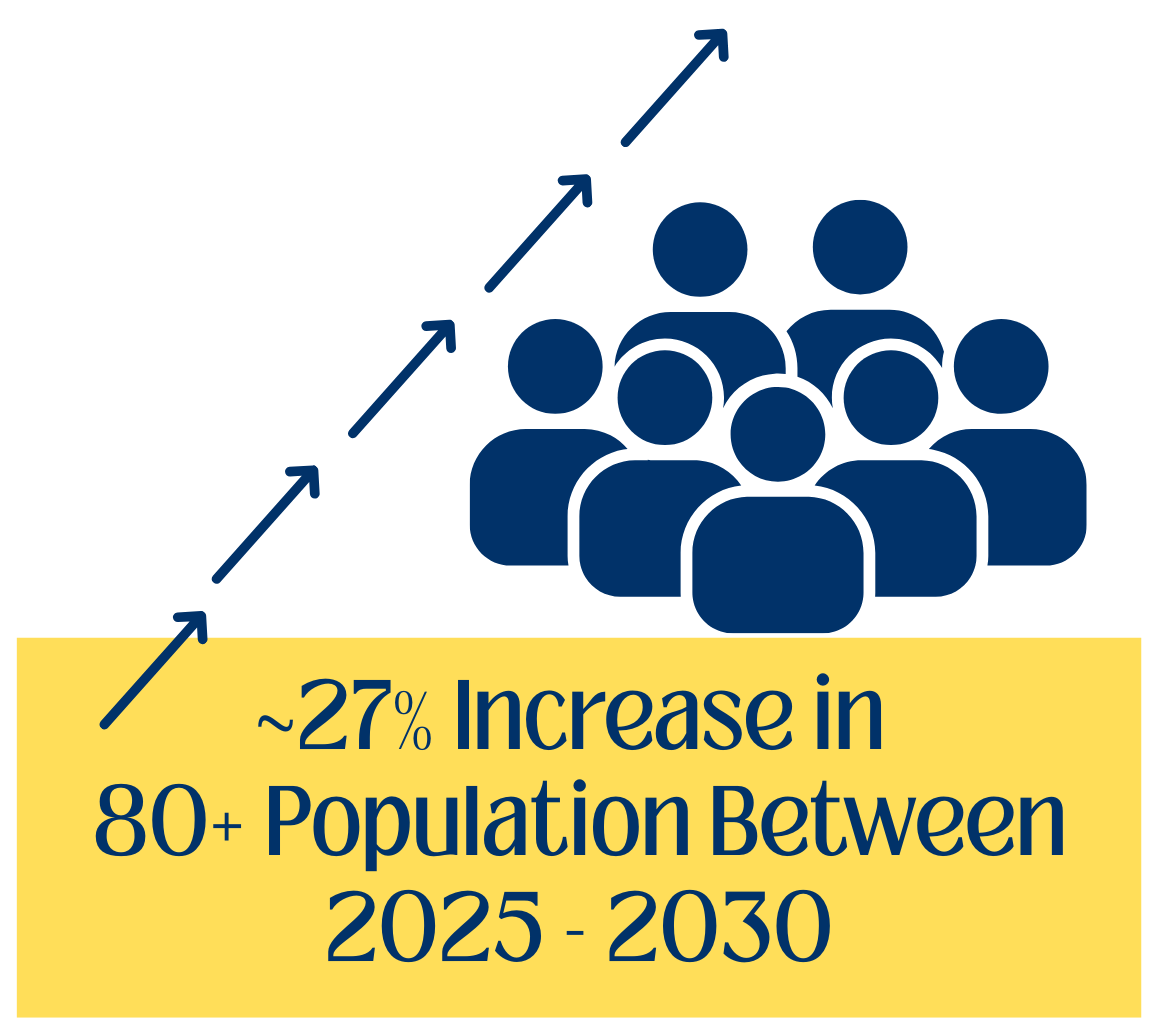
While development slowed, demographic demand continued to accelerate. The senior population is growing rapidly, and many existing communities are aging along with it. Roughly half of the nation’s senior housing inventory is now more than 25 years old, creating both a need for reinvestment in existing communities and new construction to meet future demand.
At the same time, investor sentiment is beginning to shift. Capital that once remained on the sidelines is returning to the conversation as occupancy improves and sector fundamentals strengthen. While many investors continue to focus on acquisitions and repositioning existing assets, a growing number are now reconsidering new development opportunities.
This evolving landscape is expected to gradually unlock projects that have been stalled for several years.
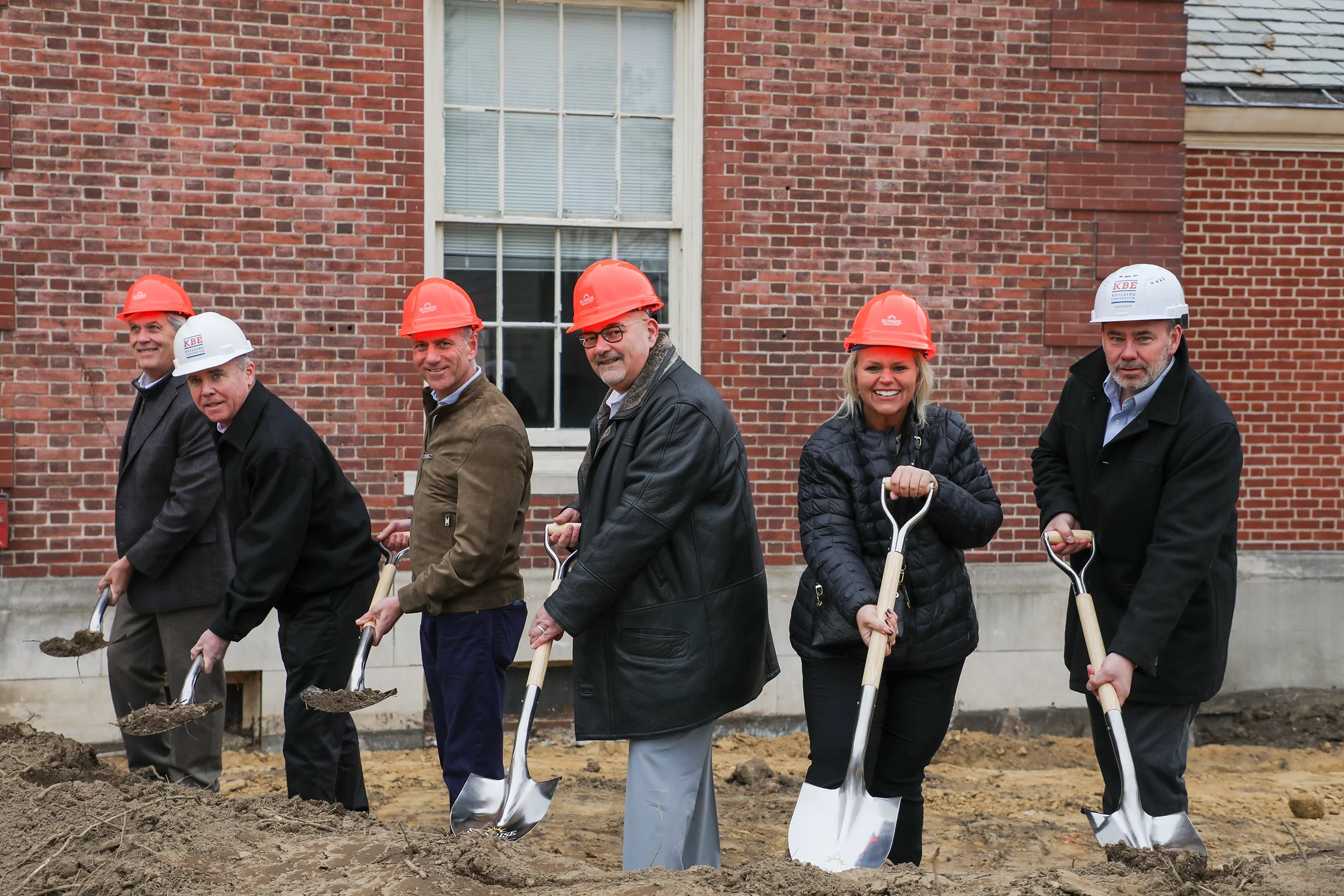
Groundbreaking at Sunrise Senior Living
NEW APPROACHES TO MOVING PROJECTS FORWARD
To overcome the economic headwinds that slowed development, many senior housing developers are adopting new strategies designed to improve feasibility and reduce risk.
Some developers are pursuing adaptive reuse—repurposing existing structures rather than building entirely new facilities. Converting or renovating existing buildings can significantly reduce development timelines and construction costs.
Other developers are designing communities with hybrid care models that incorporate multiple levels of care within a single campus. By combining independent living, assisted living, and memory care, these communities allow residents to age in place while improving long-term operational stability for operators. Flexible service models also help providers meet a wider range of resident needs while creating more diversified revenue streams.
These new approaches are helping projects move forward in a challenging economic environment.
REVIVING PROJECTS ACROSS THE NORTHEAST
In New England and the greater New York region, these strategies are already translating into new development activity.
Projects that were once delayed by market uncertainty are now breaking ground as financing structures evolve and demographic pressures intensify. Construction teams that remained engaged during the downturn—working closely with developers during preconstruction to refine budgets, evaluate design efficiencies, and manage costs—are helping bring these communities to life.
KBE Building Corporation, a national construction management firm with deep experience in senior living development, is currently working with several developers advancing new communities throughout the region.
PRESERVING HISTORY WHILE EXPANDING CARE
One example is the recently launched Sunrise Senior Living community in Tarrytown, New York, which officially broke ground in December 2025.
KBE is serving as Construction Manager at Risk for the 103,985-square-foot community, which will include 85 residences across assisted living and memory care. The three-story building will feature a Modern Georgian architectural style, with exterior materials including shingles, clapboard, brick, and stone.
A defining feature of the project is the preservation and renovation of the historic Goebel House, a 24,046-square-foot structure located on the property. Rather than demolishing the historic building, the project team is carefully renovating the structure and incorporating it into the new community. Planned improvements include interior upgrades and the addition of a new porte-cochère that will connect the existing building with the newly constructed residences.
“Senior living communities play a vital role in supporting dignity, care, and quality of life for an aging population,” said Jim Culkin, Executive Vice President of KBE Building Corporation. “We’re proud to continue our longstanding relationship with Sunrise Senior Living on this project, building on a history of successful collaborations rooted in trust, shared values, and a commitment to excellence.”
Construction is now underway, with completion anticipated in 2027.
A NEW GENERATION OF LIFE PLAN COMMUNITIES
Another example of renewed development activity can be found in Stamford, Connecticut, where Mozaic Senior Life recently celebrated the groundbreaking of Mozaic Concierge Living, a new Life Plan Community.
KBE is serving as Construction Manager at Risk for the 483,888-square-foot campus, which will rise on a 15-acre site and include structured parking, extensive amenities, and a full continuum of care.
The development will feature 168 independent living residences totaling 294 beds, along with 42 units in a dedicated health center. Designed to support long-term aging in place, the community will provide a full range of services and wellness-focused amenities.
Residents will have access to multiple dining venues, wellness and fitness facilities, and a swimming pool designed to support active and healthy lifestyles. As the first new Life Plan Community developed in Fairfield County in more than 30 years, the project represents a significant investment in the region’s aging population and demonstrates the growing momentum within the senior housing sector.
LOOKING AHEAD
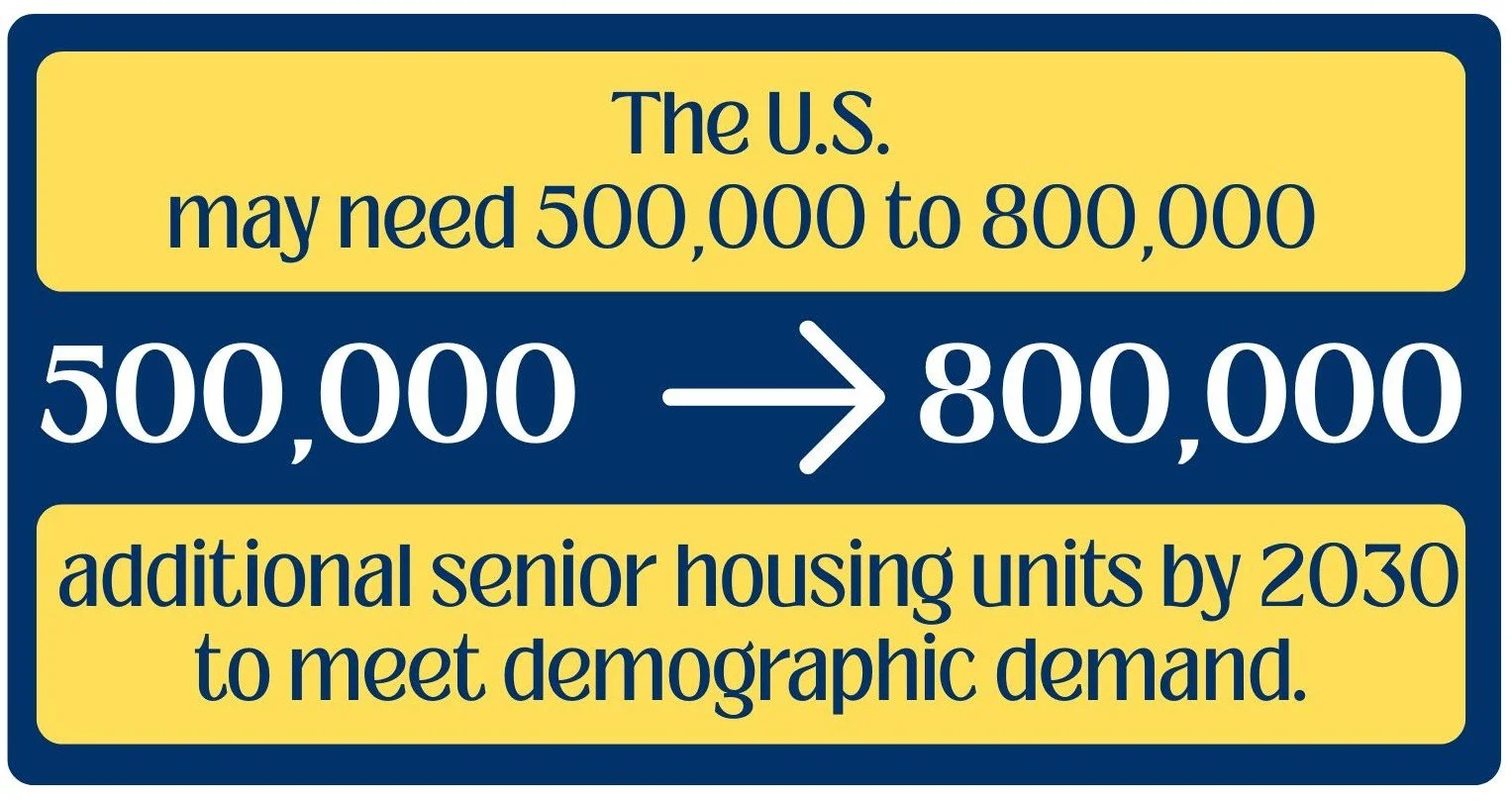
Although challenges remain, including elevated development costs and cautious lending, industry leaders are optimistic that the senior housing pipeline will continue to strengthen in the coming years.
For developers, operators, and construction teams alike, the focus moving forward will remain on innovation, efficiency, and collaboration—finding new ways to deliver communities that support the needs of older adults while remaining economically viable.
After several years of hesitation, the industry appears ready to move forward again. And as new projects break ground, they are helping ensure that the next generation of senior living communities will be ready to meet the needs of a rapidly growing aging population.
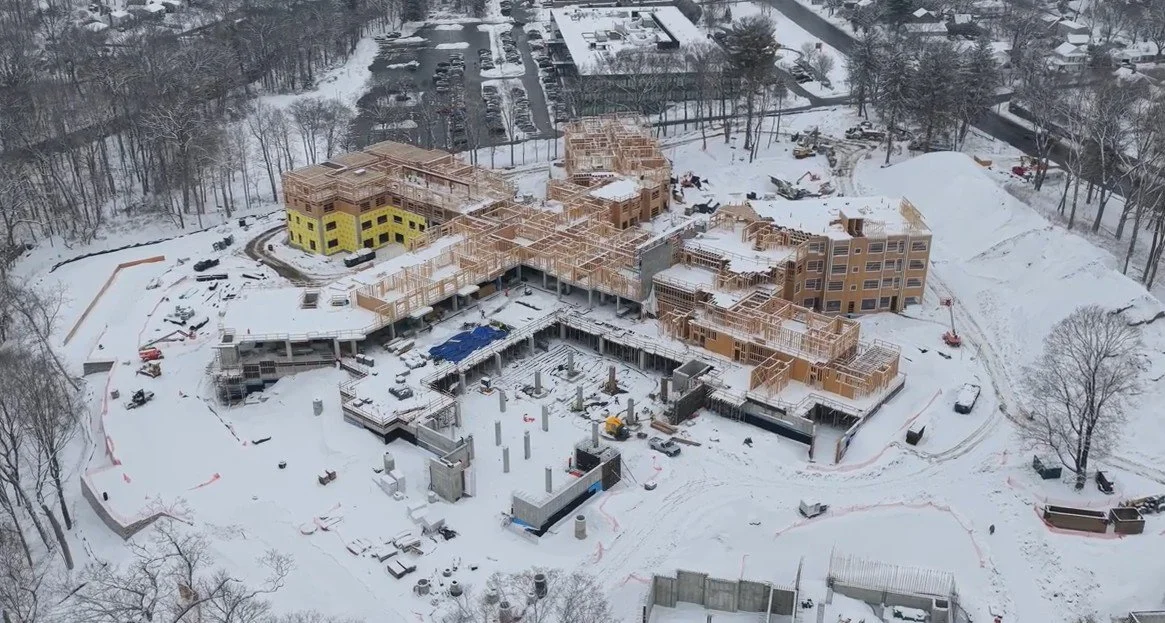
Mozaic Concierge Living Under Construction
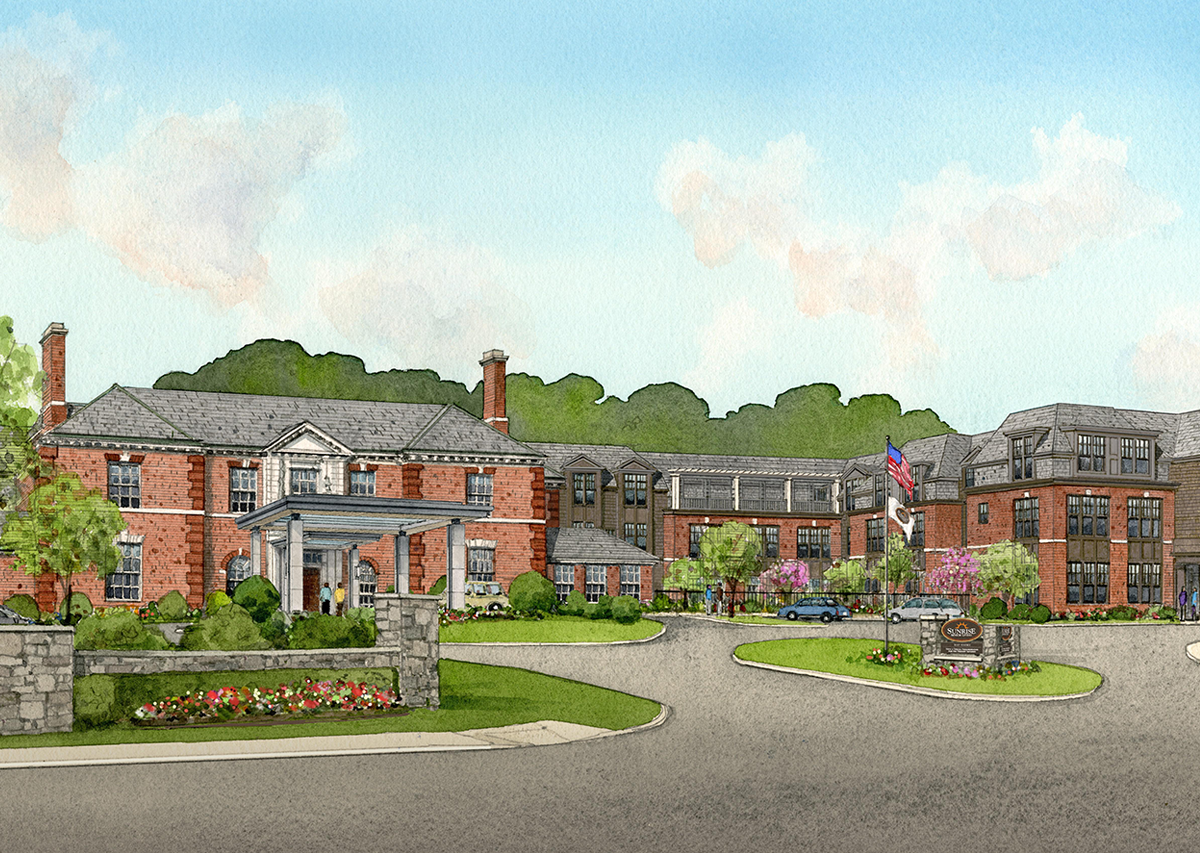
Sunrise Senior Living, Tarrytown, NY
Rendering courtesy of EGA Architects
KBE Building Corporation is a national construction services firm serving clients through its offices in Farmington and Norwalk, CT; Laurel, MD; and Scottsdale, AZ.